Unveiling Deepfakes: A Comprehensive Guide to AI-Generated Media and Its Ethical Implications
In a world where technology races ahead, deepfakes have popped up as both a captivating innovation and a serious challenge. Did you know there were over 85,000 deepfake videos online by 2022? What exactly are deepfakes, and how do they work? In this guide, we'll dig into the details of deepfake technology, from the nuts and bolts of their creation to the tools that bring these digital illusions to life. Imagine deepfakes as a digital magic trick, fascinating yet potentially risky. Whether you're a tech enthusiast ready to explore AI-generated media or someone worried about the ethical side, we've got you covered. Dive in with us as we explore the history, the step-by-step process of creating a deepfake using AI Studios, and the crucial discussions on risks, ethics, and legal issues. Ready to uncover the secrets behind one of the tech world's hottest topics? Let's get started!
What is a Deepfake?
Definition of Deepfake Technology
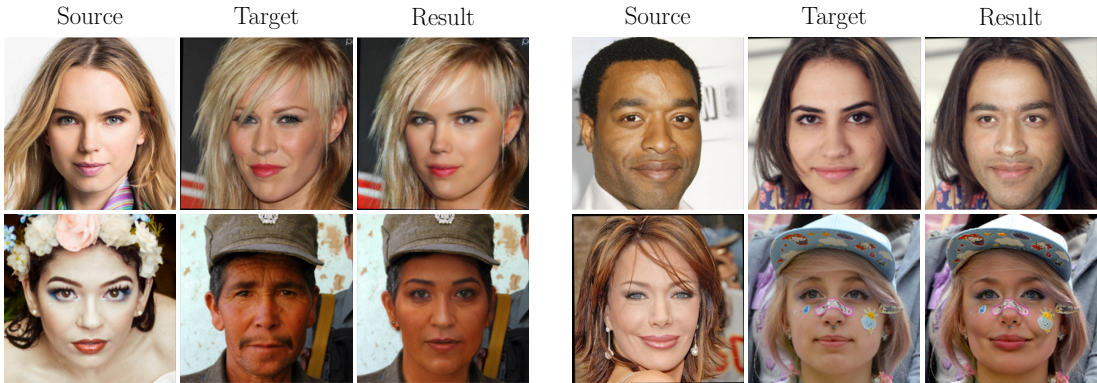
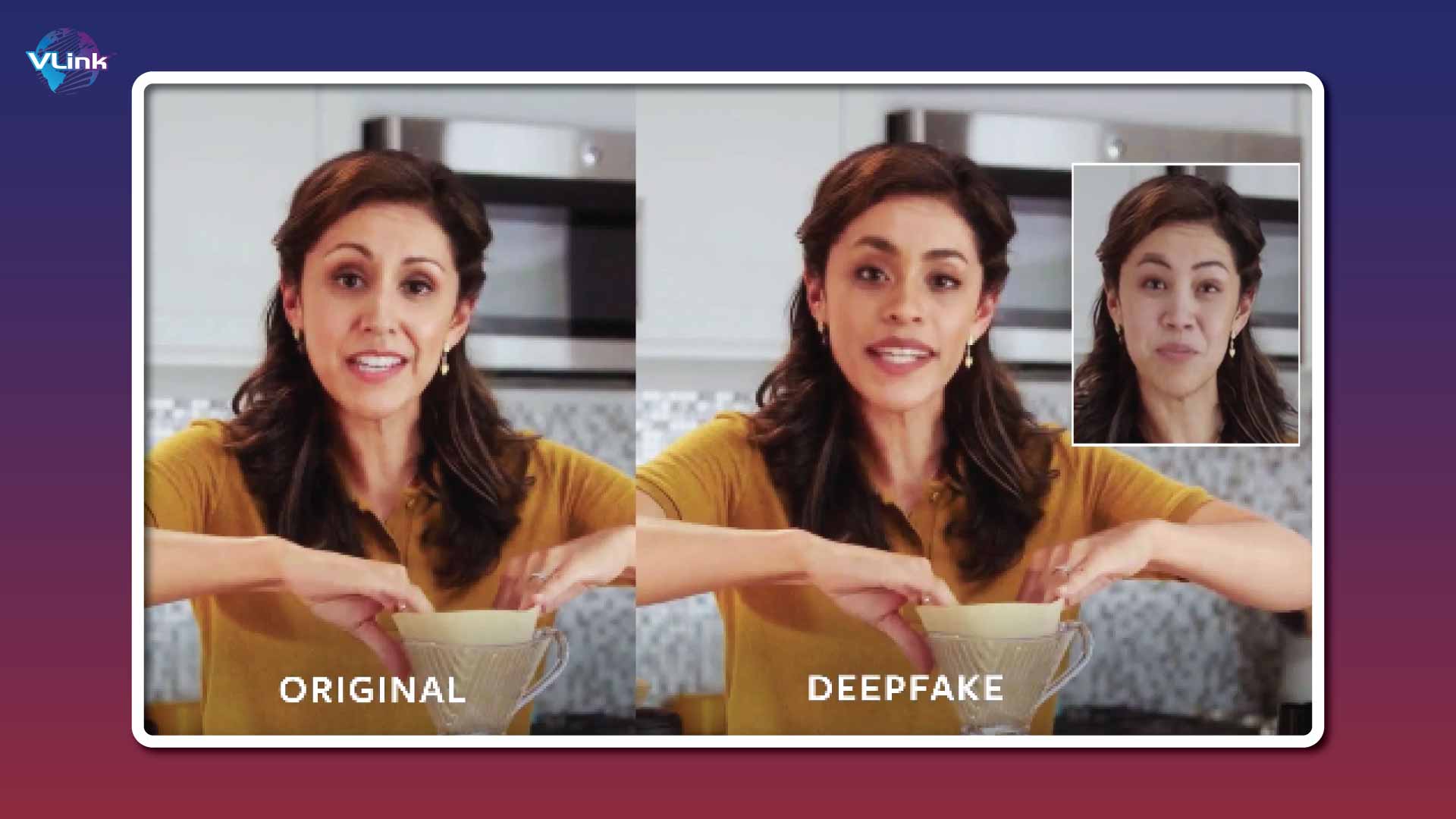
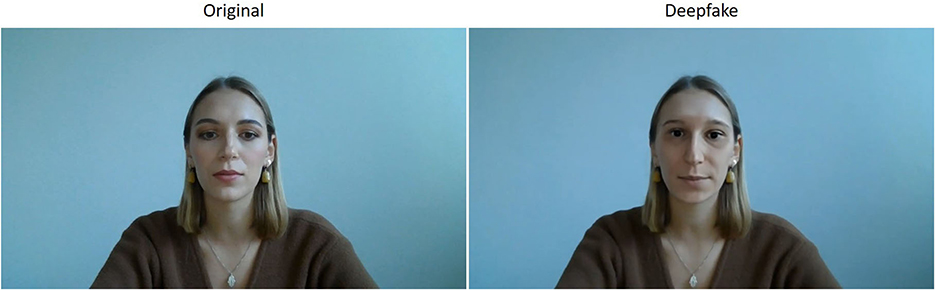
Deepfake technology leverages artificial intelligence to create highly realistic but fake images, videos, or audio recordings. It manipulates or synthesizes visual and audio content to make it appear as if someone said or did something they never actually did. The term 'deepfake' combines 'deep learning,' a subset of AI, with 'fake,' emphasizing its synthetic nature. Notably, as of 2024, over 96% of deepfake videos detected online are used for entertainment or satire, though malicious uses persist.
Brief History and Evolution of Deepfakes
The first known deepfake videos emerged around 2017, driven by advances in deep learning and generative adversarial networks (GANs). Initially used for entertainment, the technology quickly raised concerns about misinformation and privacy. Over time, deepfakes have become more accessible and sophisticated, producing more convincing and harder-to-detect content. By 2023, deepfake videos had increased by over 900% compared to 2018.
Overview of How Deepfakes Work (Generator vs. Discriminator)
Deepfakes typically rely on Generative Adversarial Networks (GANs), consisting of a generator and a discriminator. The generator creates fake content, while the discriminator evaluates it against real data. Through this adversarial process, both components improve, resulting in highly realistic deepfakes. This setup allows for the creation of synthetic videos that are often indistinguishable from real footage.
The evolution and accessibility of deepfake technology have led to a 900% increase in deepfake videos from 2018 to 2023, highlighting both technological advancement and growing concerns over misinformation.
Image :
How Do Deepfakes Work?
Explanation of the Technology Behind Deepfakes
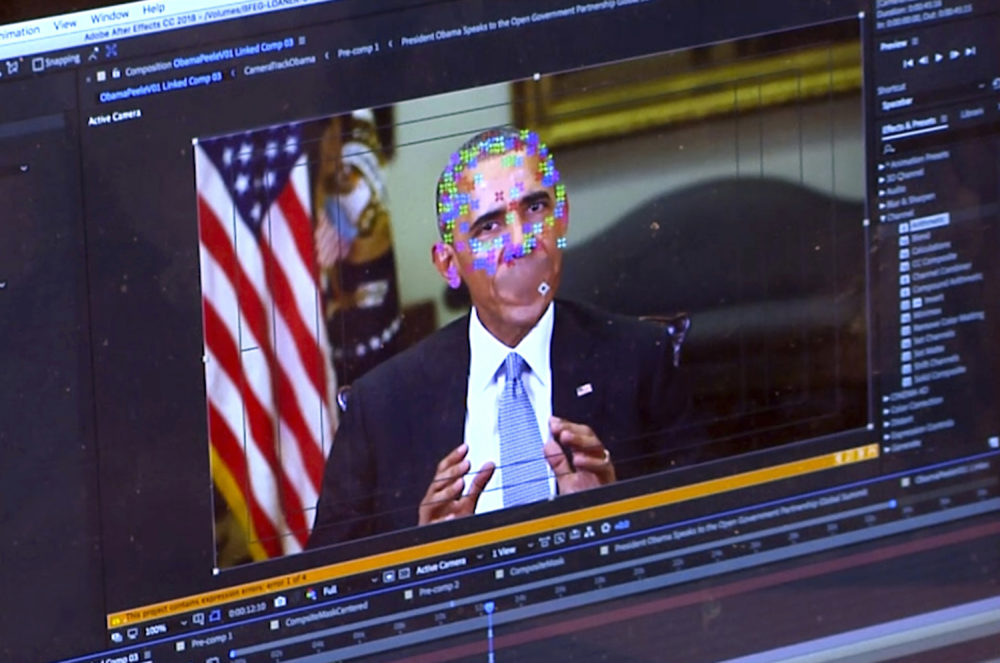
Deepfakes are synthetic media that digitally alter or replace a person's likeness using AI and machine learning. They can create hyper-realistic videos, audio, or images, making it appear as though someone said or did something they never did. This technology leverages neural networks to analyze and replicate human features with remarkable precision.
The Role of AI and Machine Learning in Creating Deepfakes
Deepfakes are typically created using deep learning models, particularly Generative Adversarial Networks (GANs). GANs involve two components: a generator that fabricates fake media and a discriminator that attempts to differentiate between real and fake content. Through iterative training, the generator refines its output, producing increasingly convincing deepfakes. Popular tools like DeepFaceLab and FaceSwap utilize GANs to facilitate the creation of these synthetic media.
Image :
GANs play a crucial role in deepfake creation, with a generator-discriminator model that iteratively enhances the realism of fake media by distinguishing it from real content.
Key Components in Deepfake Creation
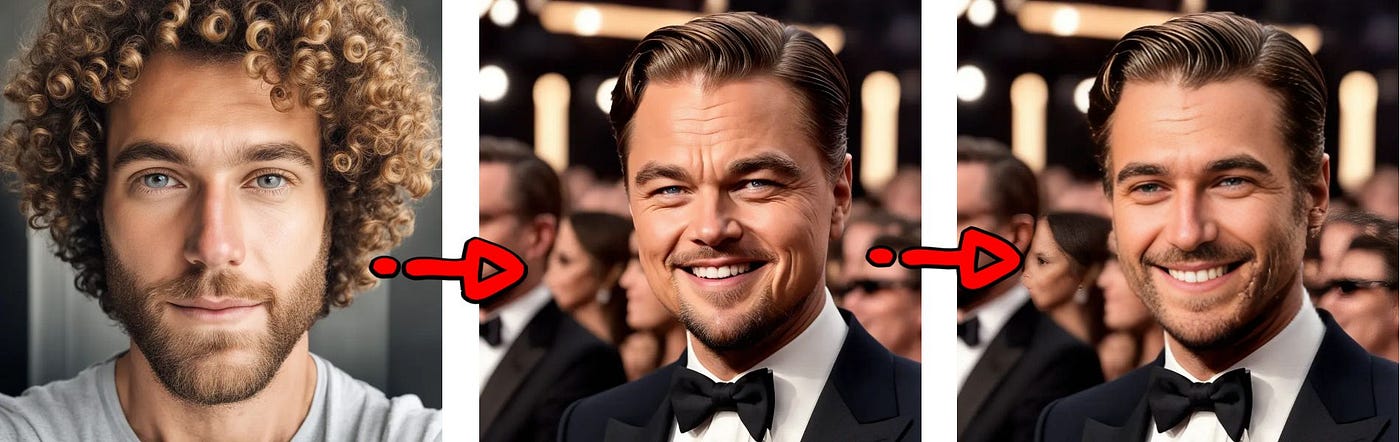
Face Swapping: Involves replacing one person's face with another's in videos or images.
Voice Replication: Uses AI to mimic a person's voice, generating speech that sounds authentic.
Together, these components enable the creation of deepfakes that are nearly indistinguishable from genuine media.
Image :
Face swapping and voice replication are essential techniques in deepfake creation, allowing for the seamless integration of altered visual and auditory elements to produce convincing fake media.
What Tools Are Used to Make Deepfakes?
Overview of Popular Deepfake Tools
DeepFaceLab: An open-source, Windows-based software known for its power and customizability. It's considered the leading tool for creating high-quality deepfakes, leveraging machine learning and GPU acceleration for professional results.
FaceSwap: Another open-source tool popular among hobbyists and researchers. It offers flexibility and community support, making it a solid choice for those with some technical skills.
Reface: A user-friendly app for Android and iOS, designed for quick face swaps in GIFs, memes, and videos. It boasts an intuitive interface and fast results, suitable for casual use.
Wav2Lip: Specializes in lip-syncing AI-generated audio to video, making it ideal for synchronizing speech with facial movements.
Features, Ease of Use, and Output Quality
DeepFaceLab: Extensive features and customization, but requires technical knowledge. Offers professional-grade output quality.
FaceSwap: Flexible and community-driven, with good output quality that may need fine-tuning.
Reface: Extremely easy to use with high-quality output for casual use, though less customizable.
Wav2Lip: Focuses on lip-syncing with excellent quality but does not perform full face swaps.
System Requirements and Compatibility
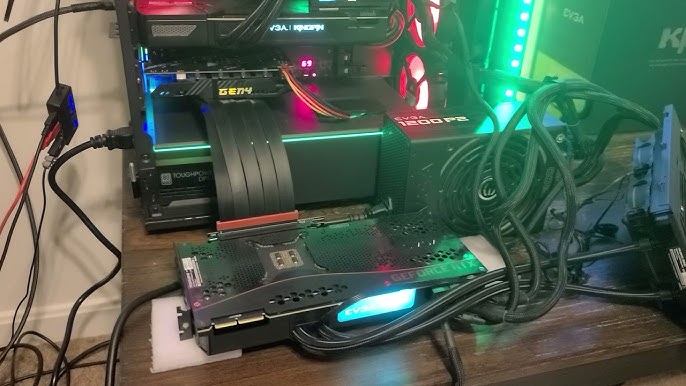
DeepFaceLab: Best on Windows with a powerful NVIDIA GPU. Not officially supported on Mac or Linux.
FaceSwap: Compatible with Windows, Mac, and Linux. GPU acceleration is recommended.
Reface: Available on Android and iOS, requiring no PC.
Wav2Lip: Runs on Windows, Mac, and Linux. GPU acceleration recommended but not required.
Cloud-based Tools: No local hardware needed beyond a modern browser and internet connection, compatible with Windows, Mac, and Linux.
Image :
DeepFaceLab stands out for professional-grade deepfake creation, requiring technical expertise and a powerful NVIDIA GPU for optimal performance on Windows systems.
Step-by-Step Guide: How to Make a Deepfake Using AI Studios
Preparation:
Before diving into the deepfake creation process, it's essential to gather all necessary materials and ensure your system is ready for AI Studios.
Gather Necessary Materials: Collect high-quality images of the face you want to use and a video of the face you want to swap it with. Ensure these are clear, well-lit, and high-resolution for the best results.
Install AI Studios and Ensure System Compatibility: Visit the AI Studios website and create an account if you haven't already. The platform operates entirely in the browser, so make sure your browser is up-to-date. A stable internet connection is crucial as the platform runs in the cloud, eliminating the need for additional software installations.
Step 1: Upload Base and Target Videos
Select and Upload Videos: Use the AI Studios interface to upload your videos and images. You can drag and drop files or manually select them from your device. The platform supports MP4 format with a maximum file size of 200MB.
Ensure Quality: The image of the face you want to use should be clear and of high resolution. This ensures the AI can accurately capture and replicate facial features.
Step 2: Frame Extraction
Automatic Frame Extraction: Once your videos are uploaded, the AI will automatically extract frames from the video. This process is hands-off and typically takes between 2 to 10 minutes, depending on the video's length and quality.
AI Processing: The AI scans each frame of the video, isolating faces for the following steps. You don't need to intervene manually during this process.
Step 3: Model Training
Training the AI Model: The AI uses the extracted frames and uploaded images to learn the facial features and expressions. This training is crucial for creating a realistic deepfake.
Optimization Tips: To optimize model training, use high-quality images and videos. Providing multiple angles and expressions can significantly enhance the model's accuracy. Note that training duration can vary, ranging from a few minutes to several hours, based on the tool's processing power and the complexity of the task.
Image :
Model training is a critical step where the AI learns facial features from frames and images to create a realistic deepfake, with training duration varying based on resources and complexity.
Step 4: Applying the Swap
Face Swapping Process: The AI will automatically swap the faces in each frame, ensuring expressions and movements are matched accurately. This step is fully automated, so no manual intervention is required.
Efficiency: Face detection and swapping generally takes between 2 to 20 minutes, depending on the video's quality and length. The AI replaces the original face in every frame with the target face, maintaining the natural movement of the video.
Image :
The face-swapping process is automated, involving the AI replacing the original face in each frame with the target face while preserving natural expressions and movements.
Step 5: Rendering the Final Video
Rendering and Exporting: After the face swap is complete, the platform will render the final video. This process usually takes 1 to 10 minutes. Once rendering is finished, you can preview the video directly in the browser.
Download Options: Download the final deepfake video in high-quality MP4 format. You can also share it or use it as needed.
Additional Tips for Fine-Tuning and Troubleshooting
Fine-Tuning: You can adjust the video style, add subtitles, or use extra images for further customization. These options can help polish the end result and make it more convincing.
Troubleshooting: If the deepfake appears blurry or unrealistic, consider uploading higher-quality images or videos. Ensure that the face is well-lit and clearly visible. If necessary, retry with a better-quality image or adjust the video style settings for a more natural look.
By following these steps and tips, you can effectively create a deepfake using AI Studios with minimal technical skills required.
What Are the Risks and Ethical Concerns?
Discussion of Potential Misuse and Ethical Implications
Generative AI poses significant ethical concerns, as it can be misused to create harmful content, either intentionally or unintentionally. AI systems may amplify existing biases, leading to discrimination based on race, gender, or economic status. Privacy risks are prevalent because AI processes large amounts of personal data, which must be handled carefully to avoid violations. The lack of transparency in AI systems complicates understanding decision-making processes, increasing ethical risks. Issues such as misinformation, plagiarism, and workforce displacement due to AI automation are also concerning. Corporate espionage and unauthorized data sharing necessitate strict nondisclosure agreements.
Image :
The ethical risks of generative AI include misuse for harmful content, bias amplification, privacy violations, and lack of transparency, necessitating careful handling and strict agreements to prevent corporate espionage.
Examples of Both Positive and Negative Use Cases
Positive use cases for AI include enhancing productivity and augmenting human work processes. In contrast, negative use cases involve generating harmful content, spreading misinformation, and privacy violations. Healthcare professionals, for instance, must navigate patient confidentiality challenges, while legal professionals manage bias and ethical concerns. Corporate misuse of AI can lead to espionage and loss of trust.
Importance of Consent and Legal Considerations
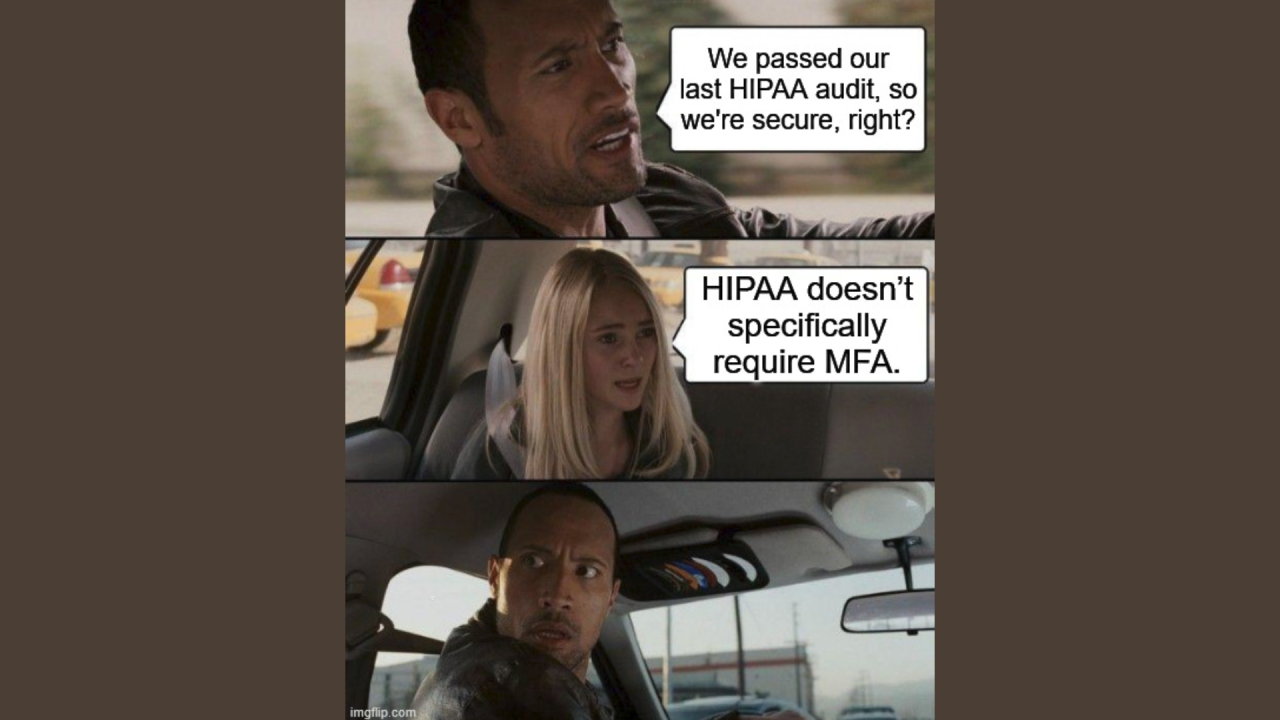
Consent is critical when using AI technologies to comply with privacy laws. Legal frameworks like HIPAA mandate strict confidentiality, with severe penalties for violations. Organizations should implement clear policies on AI and social media conduct to avoid ethical breaches. Ethical AI use requires transparency, governance, and human oversight to meet societal expectations.
Image :
Legal frameworks and consent are crucial for AI use, with strict confidentiality requirements like HIPAA to prevent violations, emphasizing the need for transparency, governance, and oversight.
How Can You Detect Deepfakes?
Tools and Techniques for Detecting Deepfakes
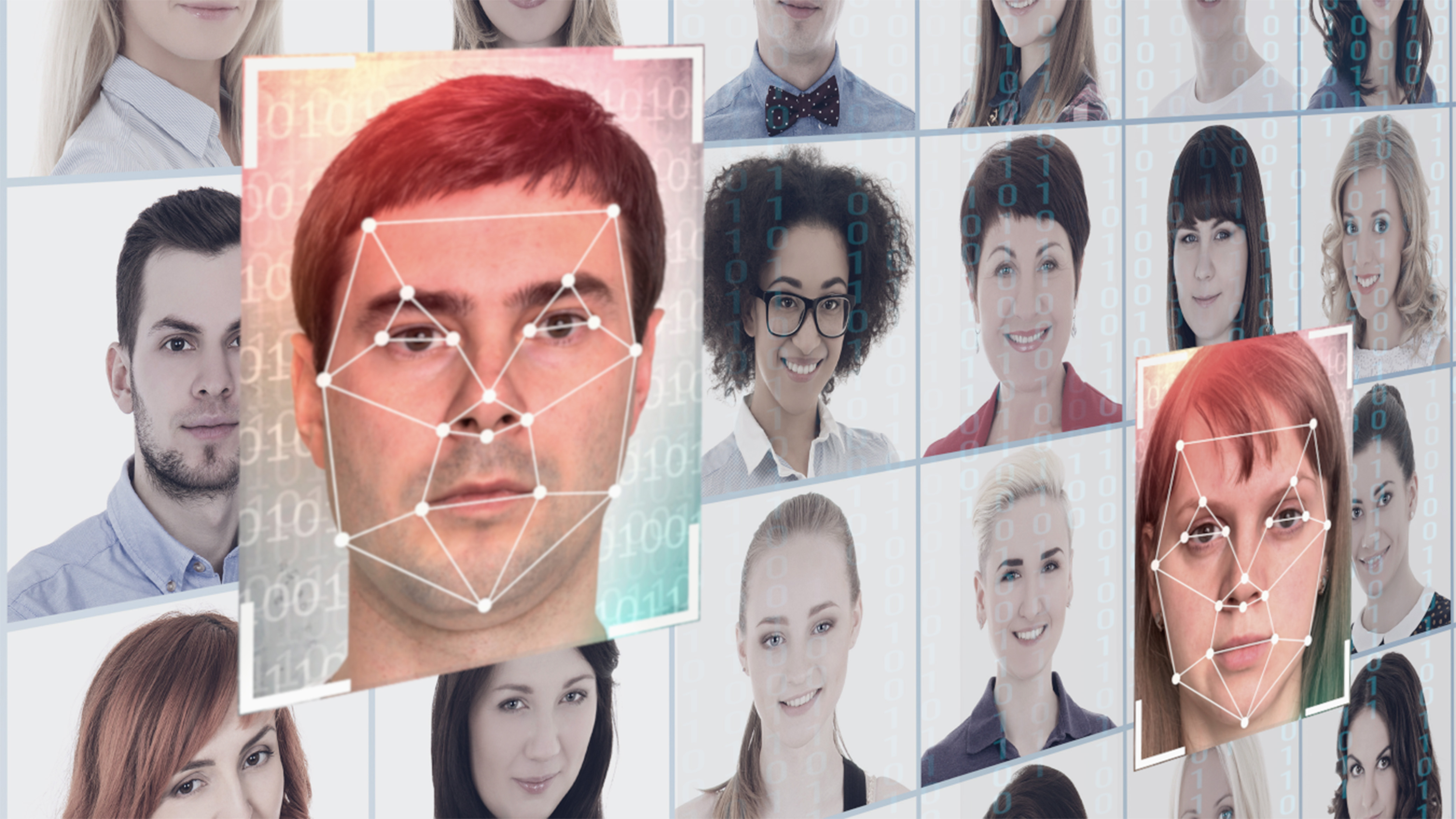
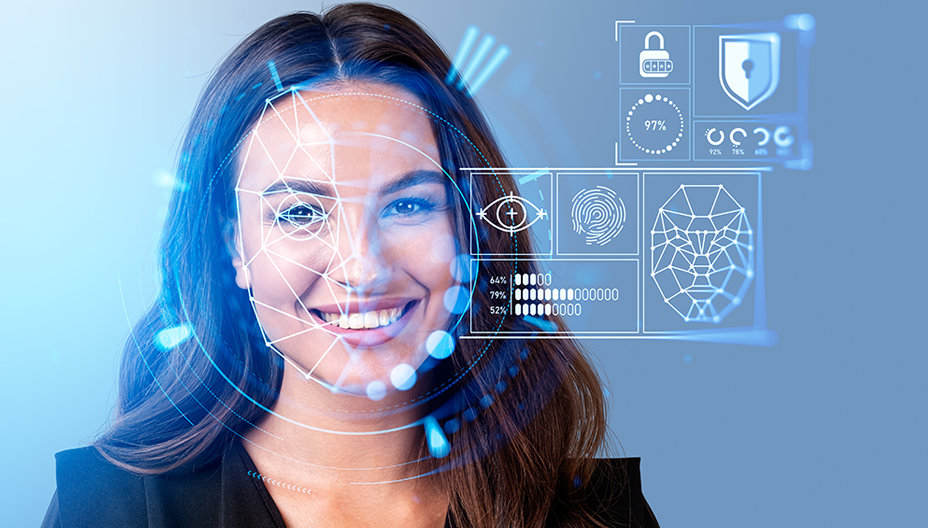
Spatial and Visual Inconsistencies: Detect mismatched noise patterns or color differences in images.
Time-based Inconsistencies: Look for mismatches between speech and mouth movements in videos.
Generative AI Fingerprints: Identify detectable patterns left by GANs and diffusion models within pixels.
Physical Inconsistencies: Spot unnatural depictions of hands, ears, teeth, etc.
Contextual Analysis: Verify if objects obey physical laws, like shadows and architecture.
AI-based Detection Systems: Use tools like Microsoft Video Authenticator and DeepFake-o-meter for authenticity analysis.
Interference-based Detection: Analyze video frequency spectrum for tampering.
Reverse Image Searches: Detect reused images in different contexts.
Metadata Examination: Check for missing timestamps or altered camera details.
Frame-by-frame Analysis: Uncover unnatural glitches or mismatched expressions.
Image :
The section on tools and techniques outlines a variety of methods to detect deepfakes, emphasizing the importance of identifying inconsistencies in visual and temporal elements, using AI detection systems, and examining metadata.
Best Practices for Individuals and Organizations
Scrutinize Content: Look for visual inconsistencies and unnatural movements.
Use AI Tools: Employ AI detection tools for real-time media screening.
Examine Metadata: Identify suspicious accounts or bot activity.
Contextual Verification: Cross-check with reliable sources.
Frame-by-frame Analysis: Slow down videos to spot subtle manipulations.
Educate and Promote Skepticism: Raise awareness about deepfake indicators.
Emerging Technologies in Deepfake Detection
Automation and Mixed-Initiative Approaches: Handle large volumes of videos.
Ensemble Techniques: Integrate multiple detection methods for improved accuracy.
AI-powered Detection Tools: Utilize APIs from tools like DuckDuckGoose and Reality Defender.
Legislative Efforts: Increase awareness and develop tools to combat deepfake threats.
Interference and Video Injection Detection: Essential for detecting sophisticated synthetic fraud.
Image :
Emerging technologies in deepfake detection focus on automation, ensemble techniques, and legislative efforts, highlighting the need for advanced tools and legal frameworks to effectively counter deepfake threats.
What Are the Legal Implications of Deepfakes?
Overview of Current Legal Frameworks Regarding Deepfakes
U.S. State Laws: States like Texas have enacted laws such as SB 751, criminalizing the creation of deceptive videos intended to harm election candidates or influence outcomes.
UK Legislation: The Online Safety Act addresses non-consensual sexually explicit deepfakes, with proposals for specific offenses against such content.
Federal Actions: The U.S. lacks comprehensive federal laws on deepfakes, but the FCC has acted against AI-generated voice cloning in fraud prevention.
Legislative Interest: Over 50 bills related to deepfakes have been introduced in recent U.S. sessions, highlighting growing concern.
Image : y
U.S. state laws and UK legislation are actively addressing the creation and distribution of deepfakes, but comprehensive federal laws remain absent in the U.S.
Potential Consequences of Creating and Distributing Deepfakes
Criminal Charges: Malicious deepfake creators may face charges if their content aims to harm, such as influencing elections or defaming individuals.
Civil Claims: Victims can pursue defamation, invasion of privacy, and right of publicity violations.
Challenges: Legal actions are complicated by anonymity and defenses like parody under free speech.
Image : y
Deepfake creators may be subject to criminal and civil actions, although anonymity and free speech defenses complicate legal proceedings.
Case Studies and Recent Legal Developments
Texas SB 751: Criminalizes deceptive videos in election contexts.
UK Online Safety Act: Targets non-consensual explicit deepfakes.
FCC Actions: Bans AI-cloned voices in robocalls to prevent fraud.
Evolving Legislation: New laws and amendments continue to emerge globally.
Image : y
Recent legal developments in Texas, the UK, and FCC actions demonstrate a proactive stance against the misuse of deepfakes.
Best Practices for Responsible Deepfake Use
Guidelines for Ethical Creation and Use of Deepfakes
Compliance with Laws and Ethics: Ensure deepfake technology adheres to legal standards, respects social ethics, and aligns with correct values.
Privacy and Consent: Implement robust consent management systems to obtain explicit approval for personal data use.
Transparency and Accountability: Provide clear documentation on AI model training and deepfake generation processes to mitigate risks such as identity fraud and disinformation.
Social Responsibility: Address potential emotional distress and reputational damage by adhering to ethical principles.
Importance of Transparency and Watermarking Techniques
Clear Documentation: Clearly disclose how AI models are trained and how deepfakes are created.
Watermarking: Use watermarking techniques to label synthetic content, making it traceable and distinguishable from genuine media.
Content Authenticity: Support accountability and prevent misuse by enhancing content authenticity verification.
Image :
Transparency and accountability in deepfake creation are crucial, with clear documentation and watermarking ensuring traceability and authenticity to prevent misuse.
Encouraging Responsible Innovation and Creativity
Positive and Ethical Use: Encourage the use of deepfake technology for creative, educational, and artistic purposes that respect consent and transparency.
Collaboration with Stakeholders: Work with regulators and stakeholders to align innovation with societal values.
Balancing Creativity with Responsibility: Promote awareness of ethical guidelines to balance creativity with social responsibility and legal compliance.
Image :
Responsible innovation in deepfake technology involves promoting ethical use, fostering collaboration with stakeholders, and balancing creativity with legal and social responsibilities.
FAQ
What are the best tools for creating deepfakes?
When selecting a tool for creating deepfakes, consider factors such as user-friendliness, realism, and customization options. Here are some of the top tools commonly used for creating deepfakes:
DeepFaceLab: Known for its advanced capabilities, DeepFaceLab is favored by professionals due to its high level of customization and control over the deepfake creation process. However, it requires a steep learning curve.
FaceSwap: This open-source tool is user-friendly and suitable for beginners. It offers a balance between simplicity and advanced features, allowing users to produce realistic deepfakes with relative ease.
Zao: A mobile app that gained popularity for its simplicity and ease of use. Zao allows users to create deepfakes quickly by uploading a photo and selecting a scene from its library.
Reface: Another mobile app that offers an easy-to-use interface for creating face swaps and short video deepfakes. It’s perfect for casual users looking to experiment with deepfake technology.
Image :
This section highlights the top deepfake tools, emphasizing DeepFaceLab's professional appeal, FaceSwap's user-friendliness, and the simplicity of mobile apps like Zao and Reface.
How can I improve the quality of a deepfake video?
Enhancing the quality of a deepfake video involves several steps:
High-Resolution Source Material: Start with high-resolution images and videos. The better the quality of your source material, the more realistic your deepfake will appear.
Advanced AI Models: Utilize the latest AI models that offer improved realism and detail. These models are continually being updated to provide better results.
Fine-Tuning Parameters: Spend time adjusting the parameters during the generation process. This includes tweaking the alignment, blending, and other settings to improve the outcome.
Post-Processing Techniques: Use post-processing tools for color correction and smoothing. This can help in blending the deepfake elements seamlessly with the original video.
Lighting and Shadows: Pay attention to lighting and shadows to ensure they match the original scene. This adds to the realism of the deepfake.
What are the legal implications of creating deepfakes?
Creating deepfakes can lead to several legal issues:
Consent and Privacy: Using someone’s likeness without their consent can violate privacy rights and lead to legal action.
Defamation: Deepfakes used to create false or damaging content about individuals can result in defamation lawsuits.
Intellectual Property Rights: Using copyrighted material in deepfakes without permission can infringe on intellectual property rights.
Jurisdictional Laws: Some regions have specific laws targeting the malicious use of deepfakes, particularly for misinformation or non-consensual pornography, which can lead to criminal charges.
Image :
This section outlines the legal risks associated with deepfakes, including privacy violations, defamation, intellectual property infringement, and compliance with jurisdictional laws.
How do deepfakes work in text generation?
Deepfake technology in text generation involves AI models that can mimic writing styles or generate realistic text. These models are trained on large datasets to learn patterns and styles of writing. Applications include:
Impersonation: Creating text that mimics a specific author’s style, potentially for misleading purposes.
Content Generation: Automatically generating articles or stories that appear to be written by humans, which can be used for both creative and malicious intents.
What are some ethical concerns with deepfakes?
Ethical concerns surrounding deepfakes include:
Misinformation: The potential for deepfakes to spread false information, impacting public opinion and decision-making.
Manipulation: Using deepfakes to manipulate individuals or events, which can have serious societal consequences.
Privacy Violations: The unauthorized use of personal likenesses raises significant privacy concerns.
Damage to Reputations: Deepfakes can be used to harm reputations, leading to personal and professional consequences.
Impact on Trust: The proliferation of synthetic media can erode trust in what is seen and heard, challenging the authenticity of media content.
Conclusion
Wrapping up, creating a deepfake is like crafting a digital masterpiece, blending cutting-edge tech with a splash of creativity. AI and machine learning are the magic behind the curtain. Want to dive into this world? By mastering the steps from gathering materials to rendering the final video, and using tools like DeepFaceLab and AI Studios, you can. Yet, as we venture into this digital realm, what about the ethical and legal twists and turns? The potential for misuse highlights the need for responsible use, transparency, and consent. As detection methods advance, keeping up with new tech and legal rules can help dodge pitfalls. Whether you're a curious hobbyist or a pro, sticking to best practices ensures deepfakes are used wisely and creatively. So, explore away, but always with an eye on ethics and legality.