Mastering Android Screenshots
Have you ever stumbled upon something incredible on your Android device and wished you could capture it instantly? What if I told you that in the palm of your hand lies not one, but multiple methods to seize the moment with a simple screenshot? In the ever-evolving world of Android, taking a screenshot is as essential as making a phone call. But do you know all the ways to do it? Are you aware that beyond the standard key combination, your device might have hidden screenshot capabilities you've never even explored?
From the classic button press to the swipe of your palm, this guide will take you through the ins and outs of capturing your screen on Android devices. Did you know that, according to a recent survey, over 68% of smartphone users take screenshots regularly, yet a significant portion of them are unaware of all the methods available at their disposal? Whether you're a Samsung aficionado intrigued by the Palm Swipe feature, a power user looking to harness the efficiency of Google Assistant, or someone seeking the versatility of third-party apps, this post promises to unveil a world of screenshotting you may have never known existed. But how do these methods compare, and which one will suit your needs the best? Let's dive in and discover the art of Android screenshots together.
Method 1: Standard Key Combination
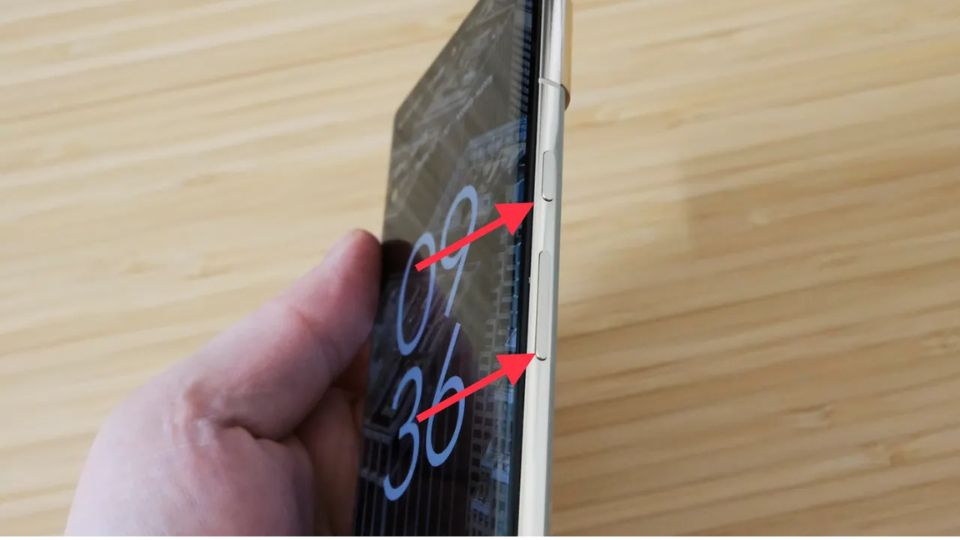
The most common way to take a screenshot on an Android device is by using a simple key combination.
Steps:
- Locate the Power and Volume Down buttons on your device. These are typically found on the right side or the top of the device.
- Press and hold both buttons simultaneously for about 1-2 seconds.
- Release the buttons when you see a brief animation or hear a camera shutter sound, indicating that a screenshot has been taken.
Troubleshooting:
- If the screenshot doesn't work, ensure you're pressing both buttons at the exact same time.
- Some phone cases may interfere with pressing the buttons; try removing the case if you're having trouble.
Method 2: Palm Swipe (Samsung Devices)
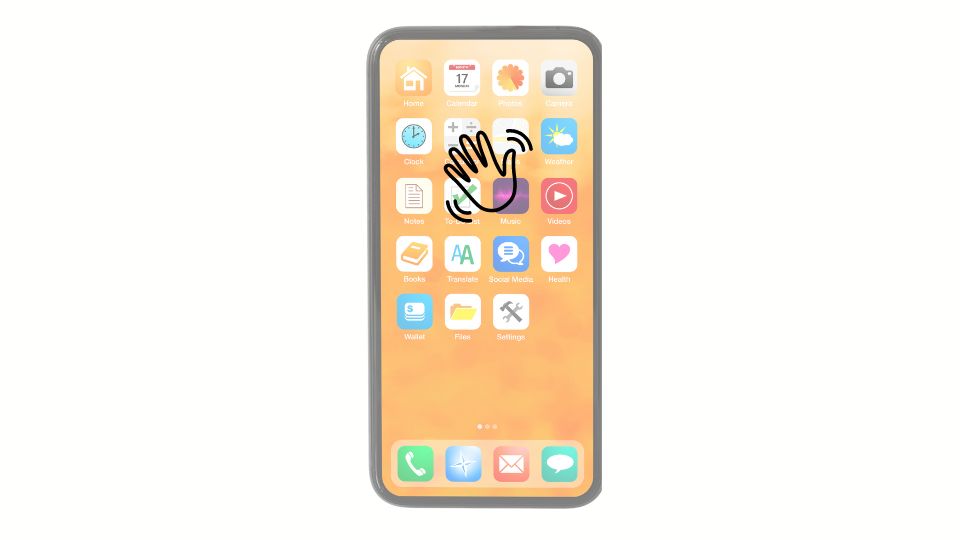
Many Samsung devices offer a gesture-based method to take screenshots called "Palm Swipe to Capture."
Steps:
- Go to Settings > Advanced features > Motions and gestures.
- Enable "Palm swipe to capture".
- Place the side of your hand on the screen and swipe it across from left to right or vice versa.
Troubleshooting:
- Make sure your hand maintains contact with the screen as you swipe.
- If the gesture doesn't work, check if it's enabled in the settings as some devices may have it turned off by default.
Method 3: Using the Quick Settings Panel
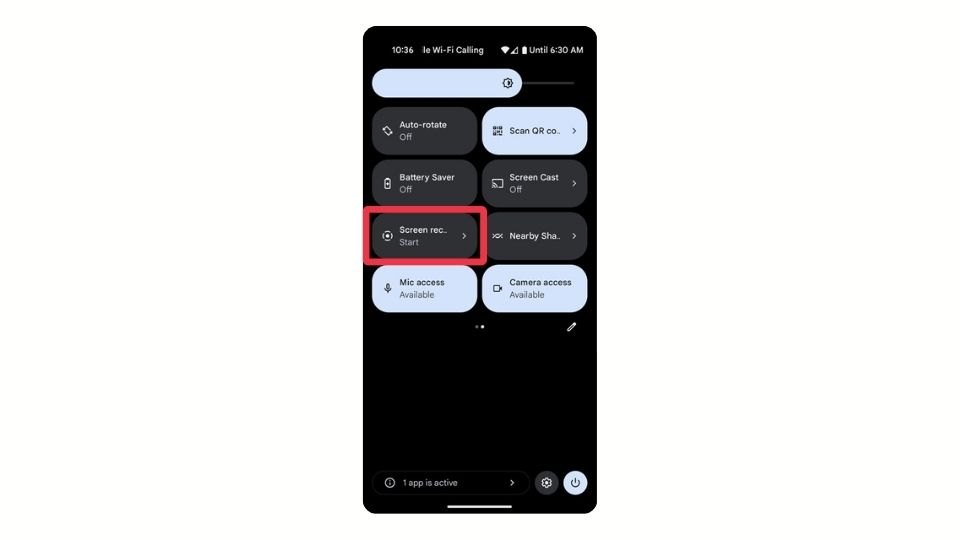
Another universal method available on most Android devices is using the Quick Settings panel.
Steps:
- Open the Quick Settings panel by swiping down from the top of the screen with two fingers.
- Look for the Screenshot button and tap it.
Troubleshooting:
- If you can't find the screenshot button, you might need to edit your Quick Settings to add the screenshot button. Tap on the pencil icon or "Edit" button to customize your Quick Settings.
Method 4: Google Assistant

For hands-free screenshotting, you can use Google Assistant.
Steps:
- Activate Google Assistant by saying "Ok Google" or long-pressing the home button.
- Say "Take a screenshot" or type the command.
Troubleshooting:
- If Google Assistant isn't responding, check to see if it's enabled in your Google app settings.
- Ensure that your device's microphone is working properly.
Method 5: Third-Party Apps

If you're looking for more functionality, such as editing or directly sharing screenshots, you might want to consider a third-party app.
Steps:
- Download a screenshot app from the Google Play Store, such as "Screenshot Easy" or "Screen Master".
- Follow the app's instructions for taking a screenshot, which usually involves shaking the device, tapping a widget, or using an overlay icon.
Troubleshooting:
- Check app permissions to ensure the app has the ability to access your screen and storage.
- Some apps may not be compatible with your device or Android version.
Additional Tips and Tricks
- Editing Screenshots: Most Android devices offer a basic editing tool immediately after taking a screenshot, allowing you to crop and annotate your image.
- Scrolling Screenshots: Some devices, like those from Samsung, offer a "scroll capture" feature that lets you take a long screenshot of content that scrolls off the screen.
- Quick Share: After taking a screenshot, a share button usually appears, making it easy to send your screenshots to others without having to go into your gallery.
Comparison of Screenshot Methods on Android Devices
When it comes to taking screenshots on Android devices, users have multiple methods at their disposal. Here is a comparative table that outlines the pros and cons of each method to help you decide which one is best for you.
Each method serves a different user need, whether it's the simplicity and speed of the standard key combination, the advanced features of third-party apps, or the hands-free convenience of Google Assistant. Evaluate the pros and cons to choose the best method for your particular situation.
Are You Enjoying Taking Screenshots?
Screenshots are a versatile tool in your Android toolkit, and with these methods, you should be able to capture whatever you need from your device's screen. Remember to check your device's manual for any device-specific instructions or features. Happy screenshotting!