In an age where the visual media reigns supreme, have you ever wondered about the technology that breathes life into the static pixels on your screen? Enter Video AI, a fusion of artificial intelligence with video technology that stands at the forefront of the digital revolution. But what is Video AI, really, and how is it altering our perception of video content as we know it? Could it be that hidden behind every pixel, there's a complex algorithm at work, giving motion pictures an entirely new dimension?
Imagine a realm where computers not only understand video content but predict, generate, and transform it in ways that were once confined to the realm of science fiction. From self-learning systems that analyze surveillance footage to algorithms that can create entire movies from scratch, Video AI is not just an innovation—it's a game-changer. But with great power comes great responsibility, and as we pry open the doors to this brave new world, how prepared are we to address the ethical dilemmas and practical concerns it brings? This blog will guide you through the labyrinth that is Video AI, answering these burning questions and outing the myths from the reality.
Video AI is an innovative field that combines the power of artificial intelligence with video analysis to create a dynamic tool for various applications. At its core, Video AI leverages advanced machine learning algorithms and computer vision techniques to interpret and understand video content at a granular level. This technology goes beyond mere playback or superficial processing; it involves the deep analysis of visual data to recognize patterns, identify objects, and interpret actions within the footage.
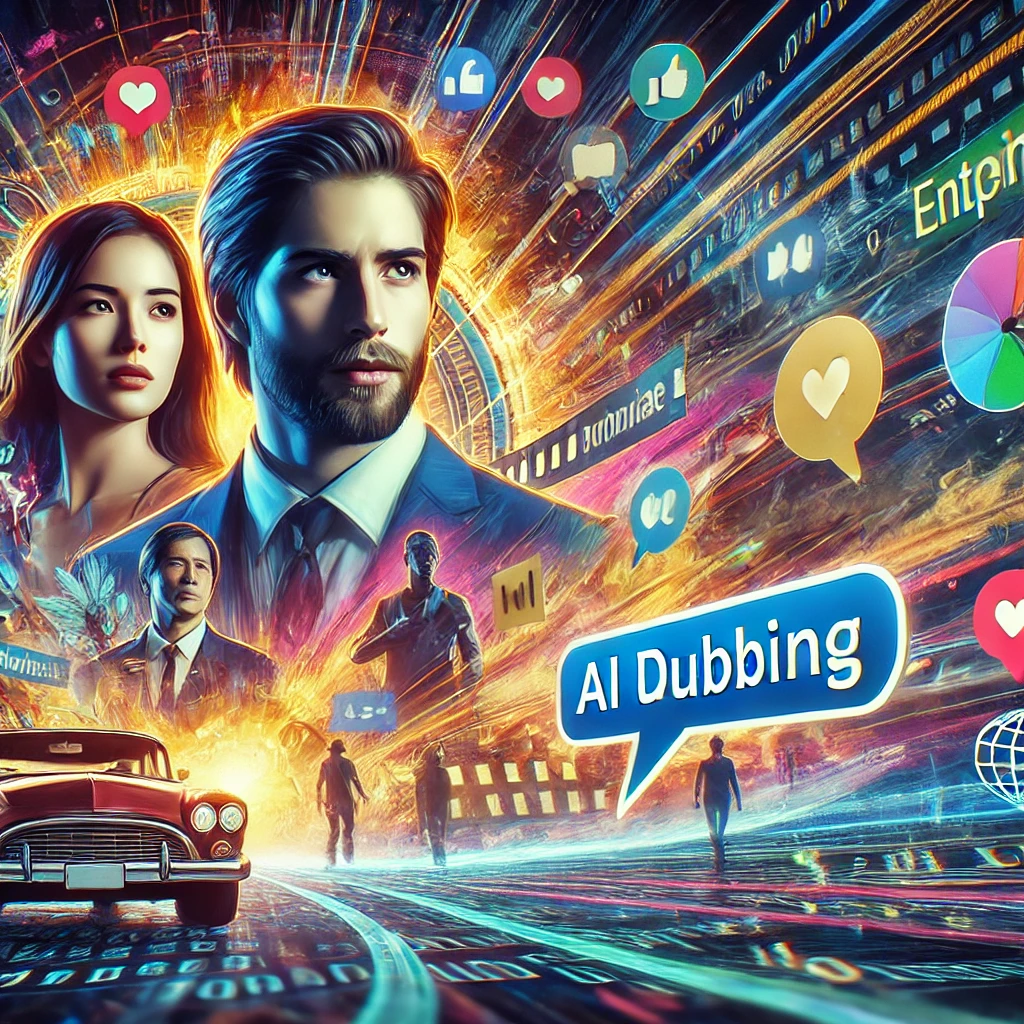
But the capabilities of Video AI extend even further with the advent of generative video AI. This subfield focuses on not just analyzing existing video content but also creating new content based on learned patterns and data. Generative video AI utilizes complex models like Generative Adversarial Networks (GANs) to produce realistic video sequences that can be indistinguishable from actual recorded footage. This has profound implications for industries ranging from entertainment, where it can generate new scenes for movies or video games, to security, where it can enhance surveillance systems by predicting potential incidents before they occur.
The generative aspect of video AI is particularly exciting because it opens up a world of possibilities for content creation and modification. For instance, it can be used to create training videos for various scenarios without the need for actors or elaborate setups, or to personalize video content for different viewers based on their preferences and behaviors. As the technology continues to evolve, we can expect generative video AI to play a significant role in shaping the future of how we interact with and produce video content.
As this technology continues to evolve, expect to see more sophisticated applications and a deeper integration of video AI into various aspects of everyday life.
Video AI technology is revolutionizing the way businesses operate across various industries, enhancing efficiency, and elevating user experiences. DeepBrain AI is at the forefront of this transformation, offering innovative solutions that integrate seamlessly into different sectors.
In the retail industry, DeepBrain AI's AI Human service is redefining customer engagement. By deploying AI avatars that can converse in real-time, retailers can offer a personalized shopping experience that's available 24/7. These AI Retailers can assist with product inquiries, provide recommendations, and even handle inventory management tasks, ensuring that the customer service is not only efficient but also cost-effective. The AI Human technology mimics human interaction so closely that customers enjoy a friendly and helpful service, which can significantly enhance customer satisfaction and loyalty.
Within healthcare, Video AI is assisting in complex surgeries by providing real-time imaging analysis, which can help surgeons make more informed decisions during procedures. Additionally, patient monitoring systems are now more advanced thanks to Video AI, enabling healthcare professionals to keep track of patients' conditions more effectively and respond promptly to any changes, thereby improving patient care and outcomes.
The transportation industry benefits greatly from Video AI through the enhancement of safety measures and traffic monitoring. By detecting signs of distracted driving and analyzing traffic patterns, Video AI contributes to the reduction of accidents and optimizes traffic flow. This leads to safer roads and more efficient travel for commuters.
DeepBrain AI is taking a proactive stance in the security domain by launching Detect Deepfake AI—a service designed to verify the authenticity of videos through deep learning AI analysis. This tool is crucial in combating the negative implications of deepfake technology, such as forgery and misinformation. By providing an objective analysis tool, DeepBrain AI hopes to minimize the damage caused by deepfake videos and encourage the positive development of the technology. Additionally, Video AI is employed for real-time threat detection and crowd monitoring, ensuring public safety and quick response to potential security breaches.
AI Studios, DeepBrain AI's advanced video production platform, empowers content creators by significantly reducing the steps needed to produce production-quality video content. By simply inputting a script, users can create a variety of videos featuring AI, ranging from YouTube videos to real-time news content. This innovation is streamlining the content creation process, allowing creators to focus on storytelling and creativity without the constraints of traditional production methods.
DeepBrain AI's commitment to social responsibility is evident in their efforts to address the challenges posed by deepfake technology. By developing and offering solutions like Detect Deepfake AI and AI Human, they are not only enhancing industry operations but also contributing to a safer and more ethical digital environment.
Despite the promising applications, there are concerns about privacy, accuracy, job displacement, and dependence on technology. It's important to address these issues responsibly.
Video AI is changing the way we interact with video content. As we integrate it into our lives, we need to consider its ethical implications and develop it responsibly.
Video AI is changing the way we process and understand video content across industries, and is even helping to create and inspire new content.
For business owners, developers, and curious individuals alike, the future of video AI is an exciting area of exploration.




![[Deep.In. Article] AdaSpeech2: Adaptive Text to Speech with Untranscribed Data - DeepBrainAI](https://cdn.prod.website-files.com/63c4f0a436ce3226c46a7221/63c4f0a436ce322df96a7743_20220303140853.png)